The Legacy of Quantra
Since 2009, India's largest quartz-surface producer keeps growing and keeps innovating.
In 2006, Pokarna Ltd. stood as a leader in natural stone worldwide, offering high-quality, premium granite from India. The company’s presentations at trade shows and its advertising offered a luxurious look based on high fashion. And, at that point, Pokarna made a massive jump to produce something universally scorned by natural-stone purists – quartz surfaces. Many in the worldwide stone trade kept asking the question: What was Pokarna thinking? The answer: Pokarna was thinking ahead. Come forward 20 years, and Pokarna Engineered Stone Ltd. – known to most by its trade name, Quantra – is the largest producer and exporter of quartz surfaces in India, with more than 400 different designs in its collections. Its two factories in India span nearly 1.2 million square feet, producing its own brand and OEM surfaces for major brands worldwide, with more than 1,100 employees. The revenue is also moving ahead, as Quantra topped the $100 million sales mark for the first time during Pokarna’s last complete fiscal year that ended last March. Growth remains a key component, including an ongoing expansion of its largest factory near Hyderabad at Mekaguda, India. Slated for completion by the end of the year, new equipment and structures will lift the company’s capacity by 60% to 24 million square-feet annually. And, the company’s continued development and advancement of Breton S.p.A.’s newest technologies – Kreos and Chromia – will produce exclusive products in sizes and designs almost unimaginable a few years ago.

“I believe it’s important to choose the right partners. It doesn’t matter that the numbers may grow big or may not grow very fast, but if you have the right partners, life is more comfortable.”
Gautam Chand Jain

Pokarna made natural stone the basis for its original move into the hard-surfaces market, starting in 1991 and quickly becoming a source for India granite worldwide.
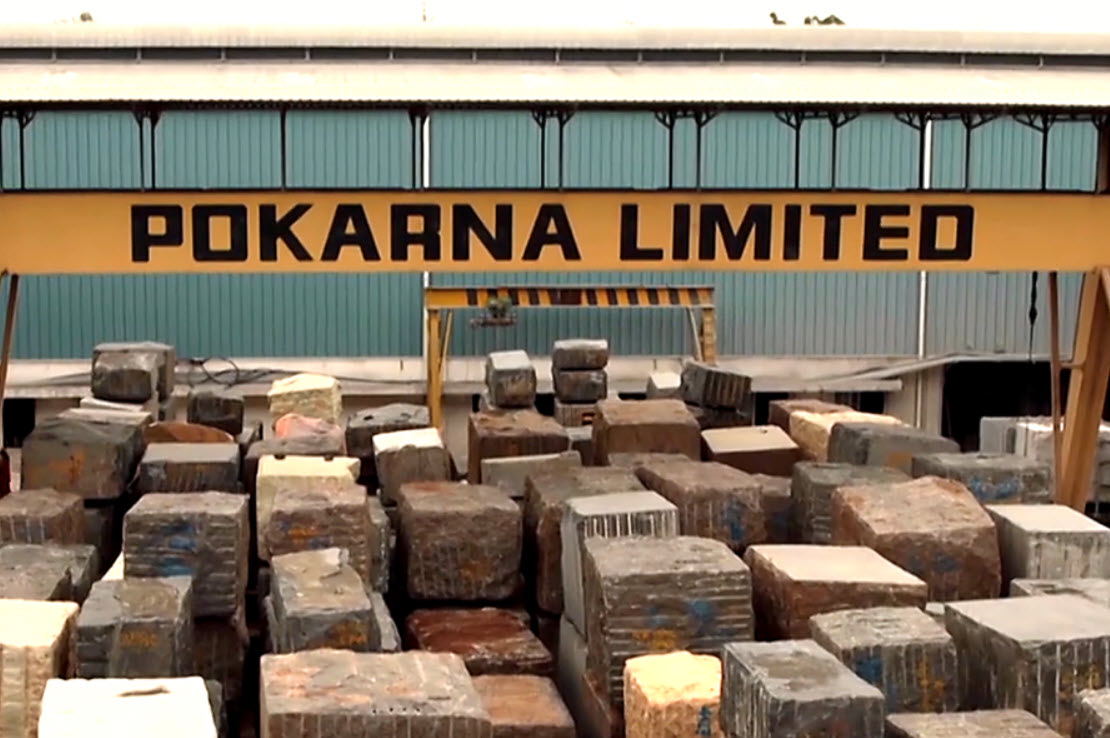
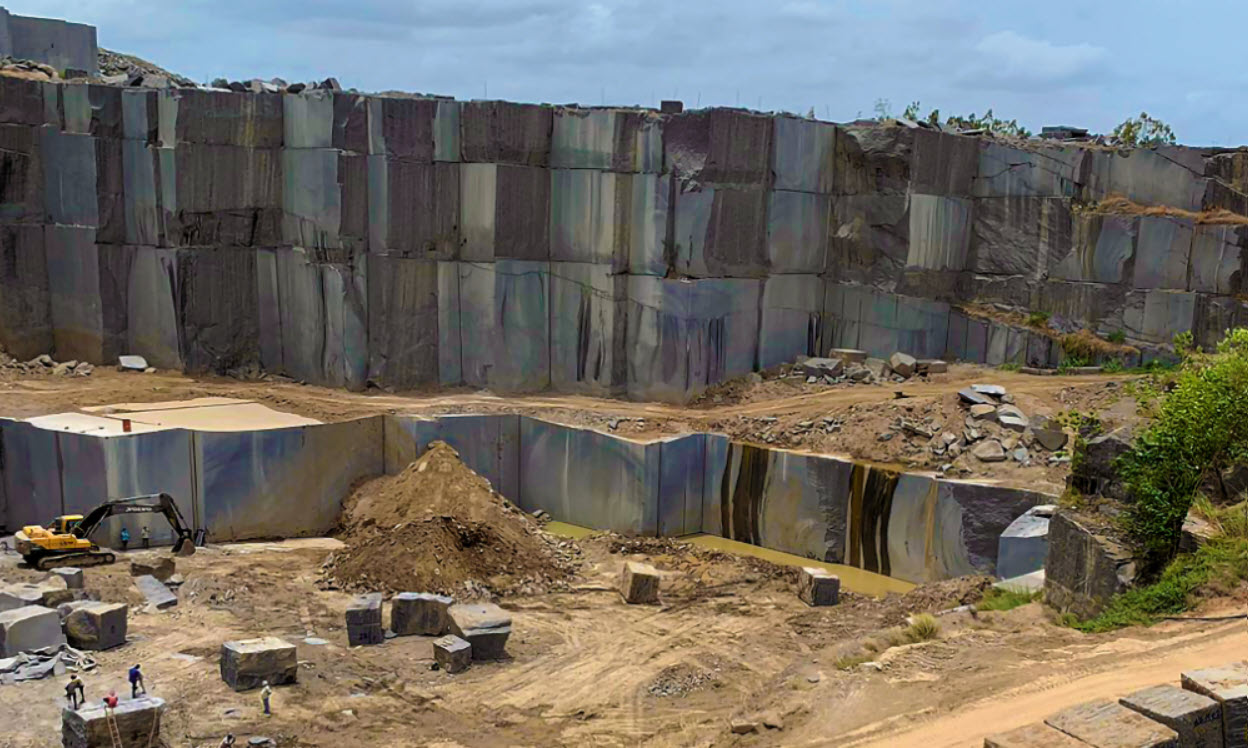
The Source Take all the people, production, and planning needed to move Quantra ahead, and you’ll find three virtues throughout: instinct, trust, and quality. That traces back to Mr. Gautam Chand Jain, the founder, chairman and managing director of Pokarna, with his constant fascination with fashion and technology. Mr. Jain’s interest began in the mid-1970s while working in the clothing industry, where he keenly observed worldwide fashion trends and the initial moves into automation. His textile business,. which he started at age 19, became India’s largest distributor of men’s premium fabrics. That combination of fashion and technology came together in a different area entirely – natural stone – when he founded Pokarna Granites Ltd. In 1991. The beauty of granite and its abundance in India, along with advances in processing technology, offered a new field and new markets like the United States. “I was a textile guy, and I learned that the U.S. market is really very big, but there was no one to do the right kind of marketing for the product,” he says. “I traveled extensively for the first two to three years, and I realized that there are very good customers. “I believe it’s important to choose the right partners,” he added. “It doesn’t matter that the numbers may grow big or may not grow very fast, but if you have the right partners, life is more comfortable.” Pokarna ended up growing big in supplying natural stone from India to the U.S. market. The company owned quarries, but it also operated a backwards-integration strategy by sourcing stones from other quarries. When one of Pokarna’s natural-stone sources ended up causing a supply problem, however, the end result was an entirely new path for the company. “After success in granite, we were looking for what’s next,” Mr. Jain says. “And, as luck would have it, one of my raw-material suppliers refused to sell me blocks. I was a little upset that I had been promising those colors, and suddenly I can’t tell my customers, “I’m sorry, I cannot supply those colors.’” Mr. Jain already had a good relationship with Breton S.p.A.; Pokarna used the Italian company’s stone-processing equipment. Knowing Mr. Jain’s penchant for fashion and technology, Breton saw him as the right person to adopt the company’s engineered-stone process. Locally sourced white quartz proved to be of excellent quality, so “everything fell together, because the technology was from Breton, and the raw material was there,” Mr. Jain says. Some U.S. customers for granite also prodded him to get into quartz manufacturing. Buliding on those relationships, Mr. Jain took a close look, and “I found out it was a huge investment,” he says. “I didn’t have that kind of money.” Mr. Jain’s reputation provided the answer, however. His banker, noting Pokarna’s excellent business record and Mr. Jain’s track record of success, agreed to provide the funding. “And that’s when I decided to go ahead with quartz,” Mr. Jain said.
“Quartz is going to complement whenever natural stone is not satisfying the customer.”
Gautam Chand Jain
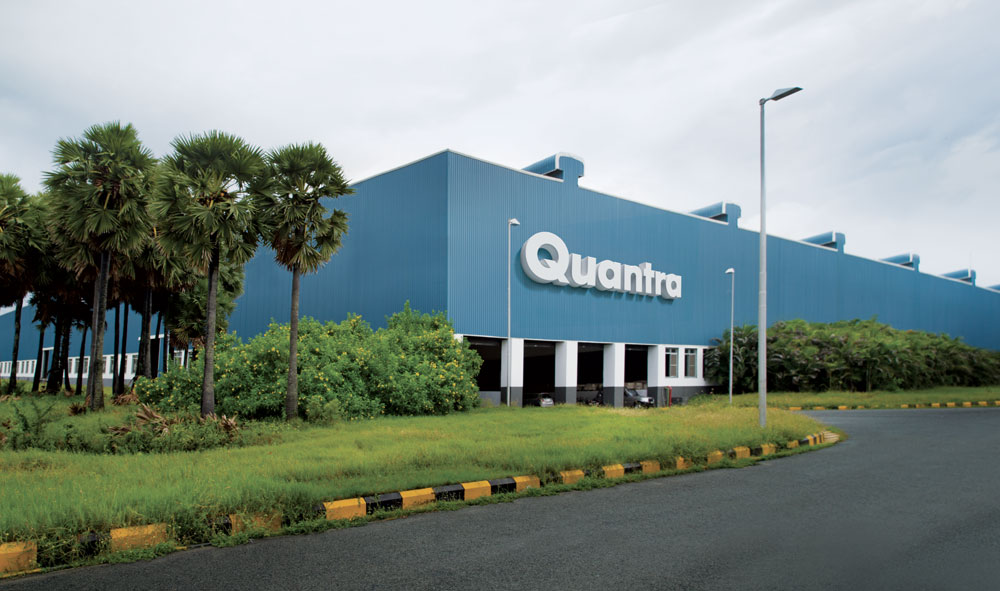
Quantra began production of quartz slabs in 2009 at its initial plant in Visakhapatnam, close to India's east coast.
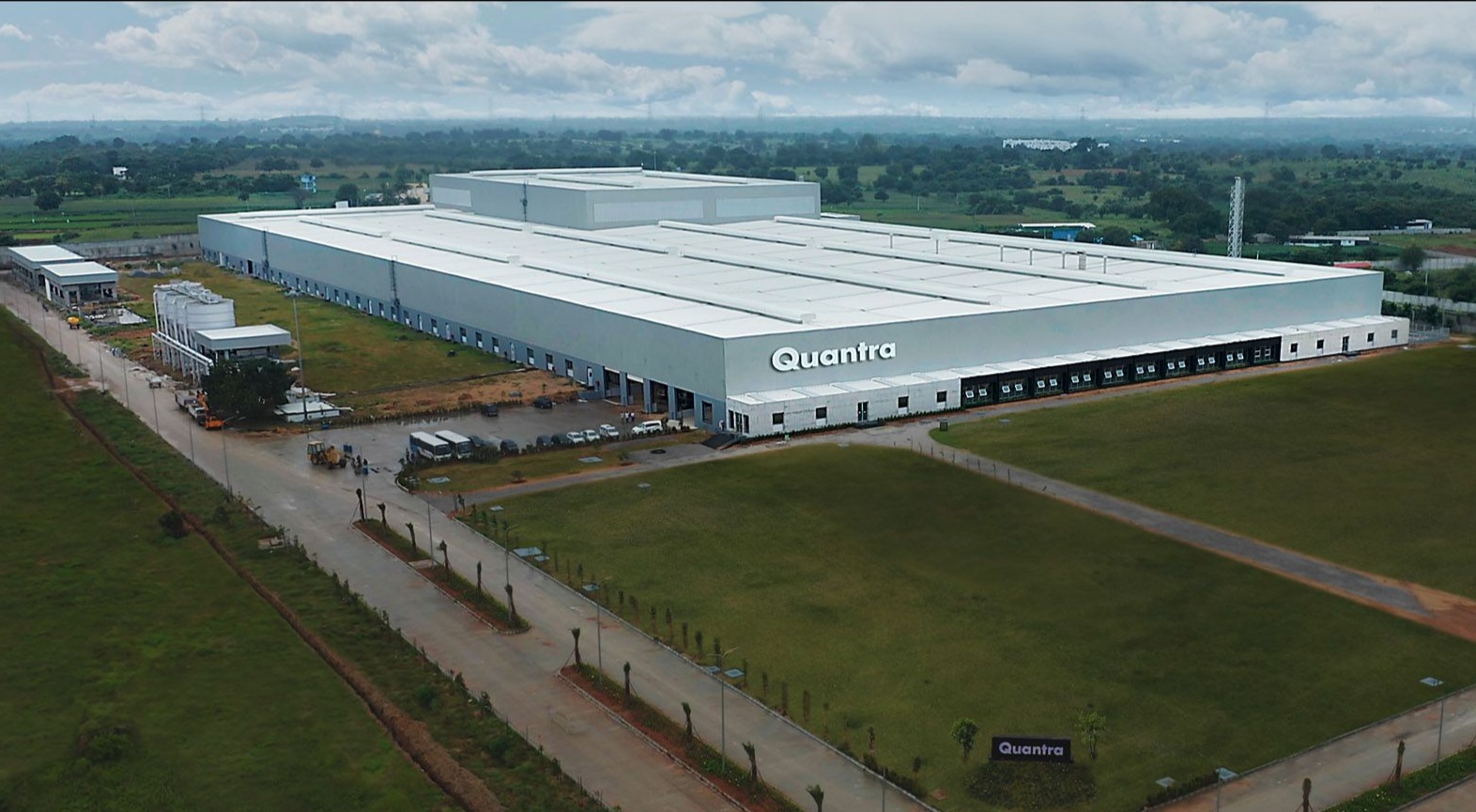
The second quartz-slab plant is in Mekaguda, southwest of Hyderabad in south-central India. The open area to the immediate left of the plant is now under development for additional warehouse and shipping space.
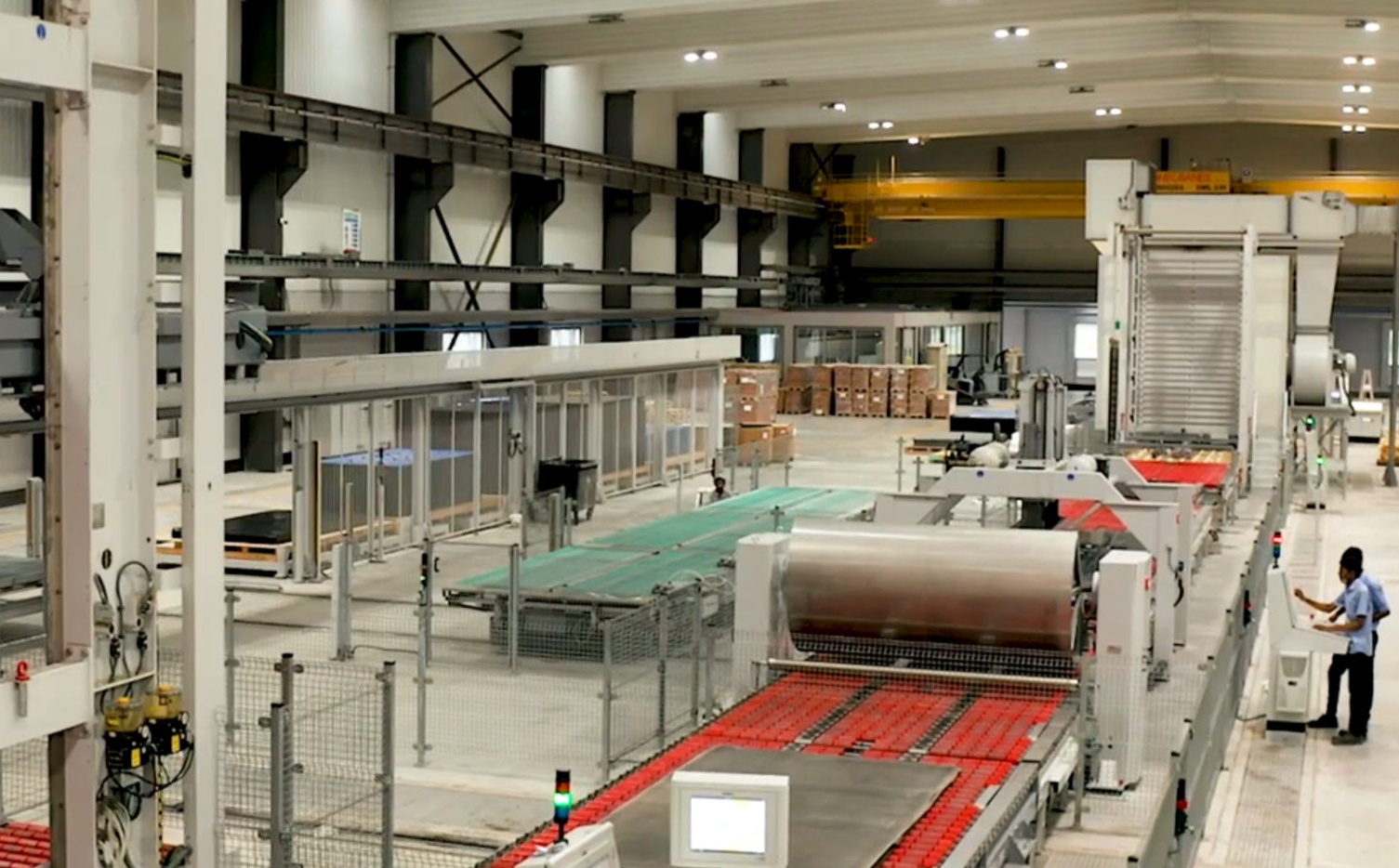
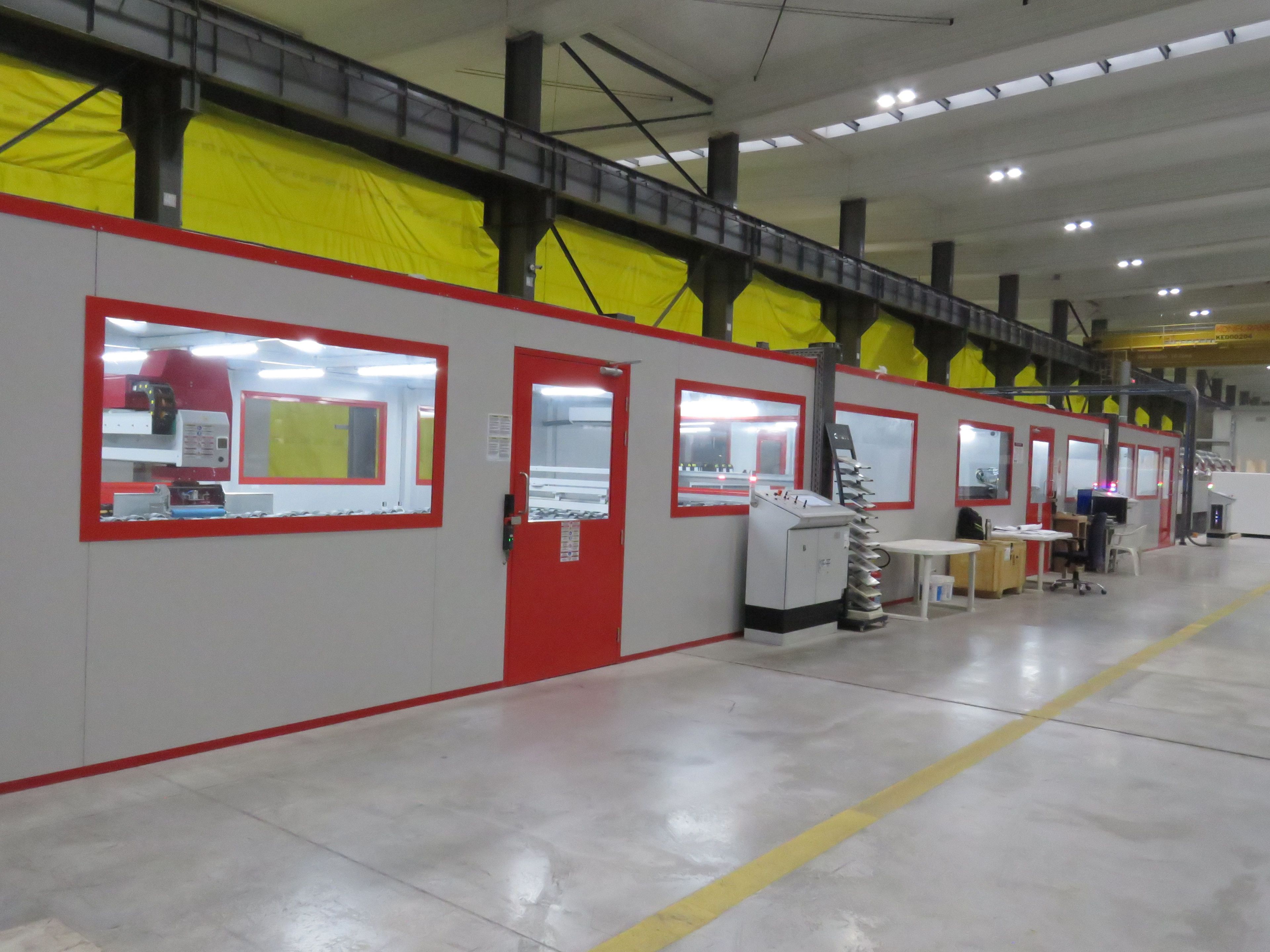
The production line at Mekaguda shows how extra space is designed in the workflow to allow improvements and new technology ... and also illustrates the plant's cleanliness throughout.
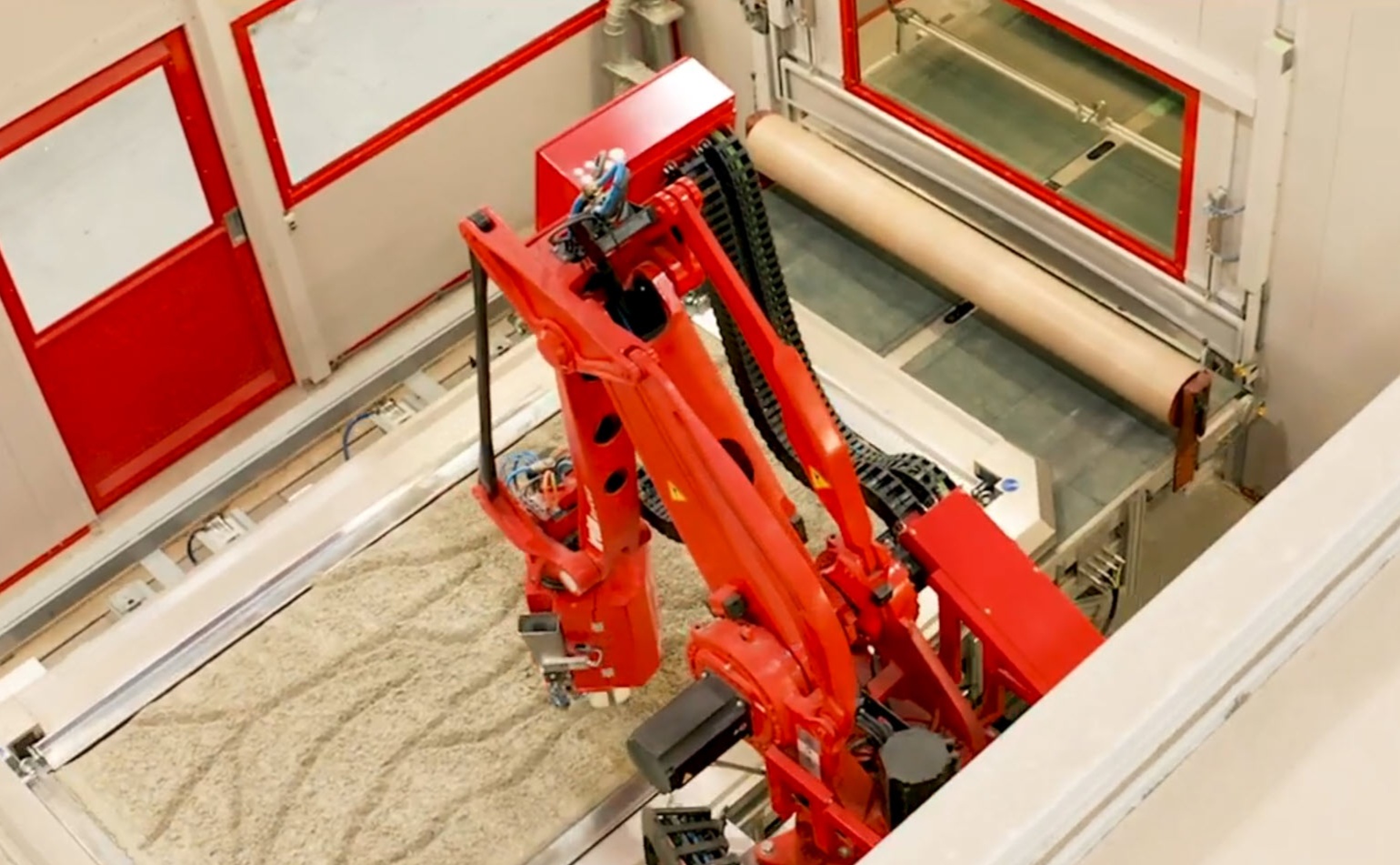
One of Quantra's six anthropomorphic robots move like a human arm to create precise veining patters during slab production.
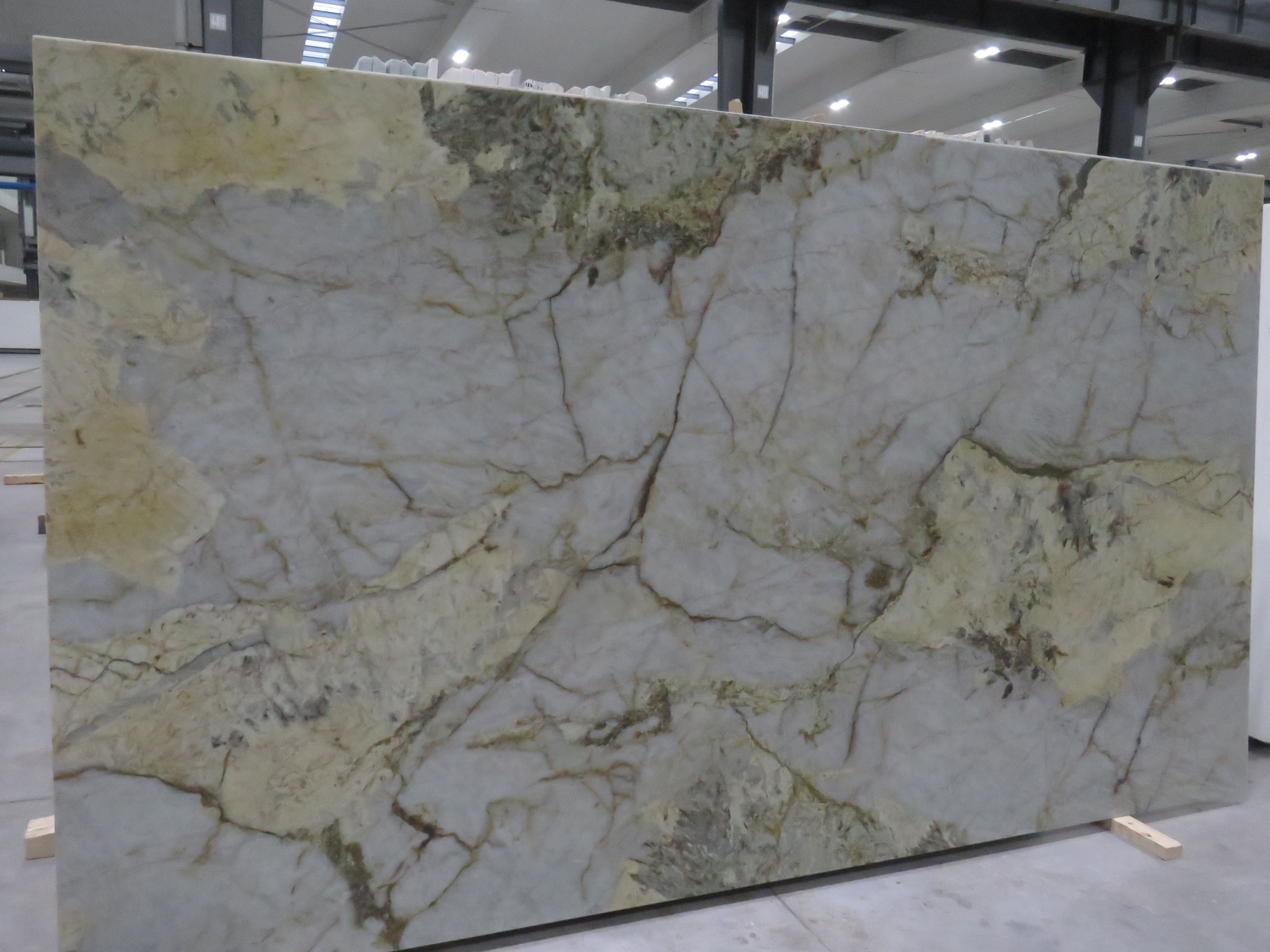
The Product Initial efforts led to the first Quantra plant near Visakhapatnam along India’s east coast. Full slab production came in 2009 in a plant that now encompasses nearly 483,000 square feet. In the world when slab sizes used to be of a standard size, the company had vision of larger slab size requirement in future and was always equipped to produce Jumbo format slabs with 27% more slab area. While the unavailability of a particular granite supplied the spark for Quantra’s start, Mr. Jain never envisioned it as a process to mimic the look of natural stone. “I realized the product has the potential not to be competing with natural stone, but complementing natural stone,” he says. “Quartz has come to stay, because it has got the capability of natural stone performance indoors, it is strong enough, and non-porous. “Quartz is going to complement whenever natural stone is not satisfying the customer.” Quantra grew and then overtook natural stone as Pokarna’s revenue driver, leading to a second quartz production facility at Mekaguda, approximately 28 miles southwest of Pokarna’s corporate headquarters in the Hyderabad metro area. Spanning more than 700,000 square feet, the Mekaguda plant is the result of six years of planning and construction until commercial operations began in March 2021. Although it’s only been producing slabs regularly for just short of four years, it’s also representative of Quantra today: it ‘s incorporating new technology, expanding capabilities, and dedicated to quality. The layout is deceptively simple: five side-by-side areas (called “bays”) that track the progression of quartz-surface production: • Quality raw material storage; • Mixing, pressing and curing; • Polishing; • Custom cut-to-size work; and • Final prep and shipping. A closer look shows Quantra’s innovation throughout: an ultra-modern materials-mixing area; video monitors to let line workers check slab progress, ensuring quality control at every stage of the process; six anthropomorphic robot arms to create patterns and veining; and control panels to track every step of the slab-making process in the fully automated plant. A slab’s progression through the factory also includes a place for custom cut-to-size work. Quantra can cut, edge, miter, and hand-finish any type (and any volume) of a major product. Quantra can tailor make samples of different sizes with its investment in an automatic sampling line for all marketing needs. Quantra utilizes equipment from Breton and other topline manufacturers, including automatic edge polishers and CNC bridge saws. And, there’s plenty of space between major machines in the surface manufacturing process. It’s the kind of forward thinking that allowed Quantra to incorporate Breton’s Kreos mixture-extrusion process to develop production of slabs as thin as 7mm. Future plant expansion will equip Quantra to make even 4mm-thick slabs for new applications. The space management also provided the area to install Breton’s Chromia technology, adding high-definition digital inkjet printing on quartz slabs. The Quantra difference – printing on slabs that already include veining – makes for true-look edging and offers realistic quartzite looks like Taj Mahal and Macaubus on a quartz body that’s easier to finish than the natural-stone product. “When we started in 2009, we were doing the basics – plain colors, basic carraras, basic whites,” says Rahul Jain, Pokarna joint managing director. “But, because of the commitment and investment we have committed on the technology, we can do a lot, and Breton continuously keeps telling us what they are working on. “They are a partner to us. We give them ideas, they give us ideas, and we collaborate and do some new things.” Even with 400+ designs, clients may decide they want something that’s not on the list … and Quantra is ready to fill that need. The in-house design lab, through a painstaking, precise process, can go through a series of iterations to find the right color, veining, and pattern to match a customer sample. Not all of the slabs and cut-to-size work produced by Quantra bears the company brand. Total output also includes OEM work to supply an array of products for some of the premium surfacing brands in the United States and worldwide. And, with each OEM customer, Quantra is careful to not compete with matching products in those markets by maintaining design exclusivity and ensuring timely supply of products “I’m a firm believer that I like to have a close relationship with everybody,” Mr. Gautam Jain says, “whether it’s my vendor, my machine supplier, my consumable supplier, my customers, my employees, my bankers or my principals. I’m very selective to choose in the beginning, but once I have association, that remains as long as they are in fair play. I believe in ethical play.” That kind of trust and honesty pays off with Quantra’s bottom line. Sales have risen from $24.3 million in fiscal year 2020-2021 – just before the Mekaguda plant came on line – to $100.2 million in the 2024-2025 fiscal year ending last March.
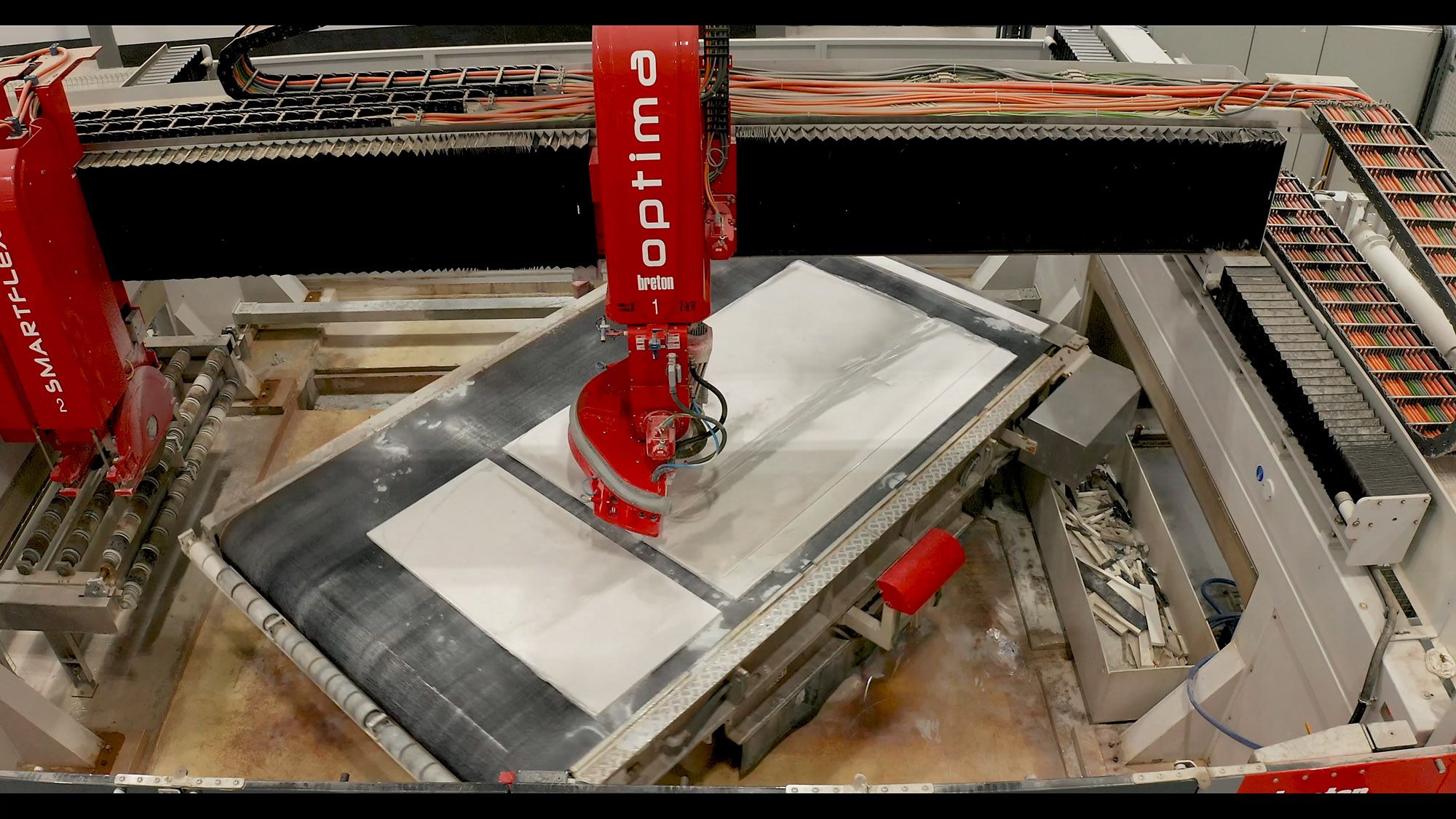
Quantra produces more than slabs, as it uses fabrication equipment from Breton S.p.A. and other manufacturers to create large-volume custom work for clients worldwide.
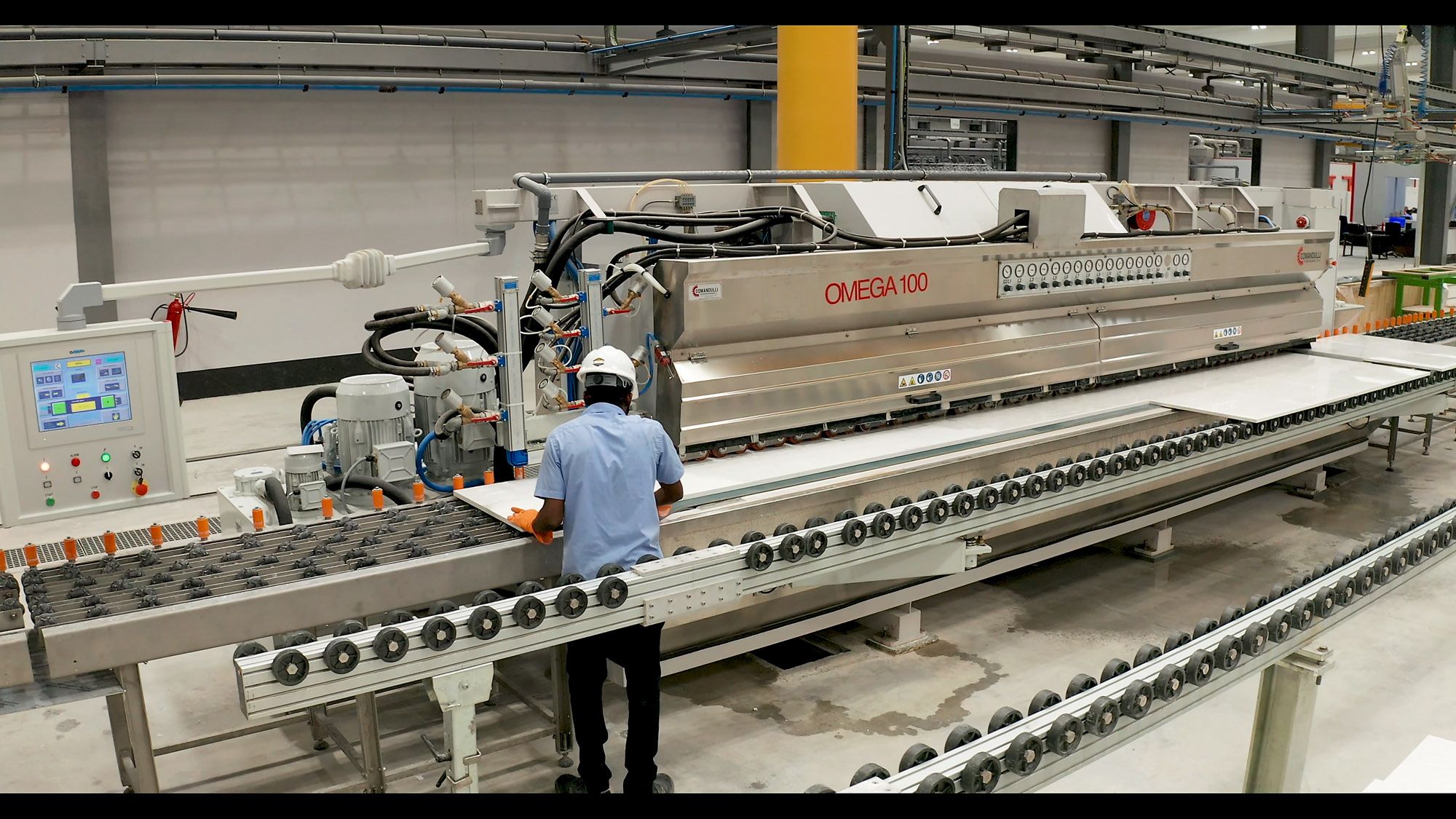
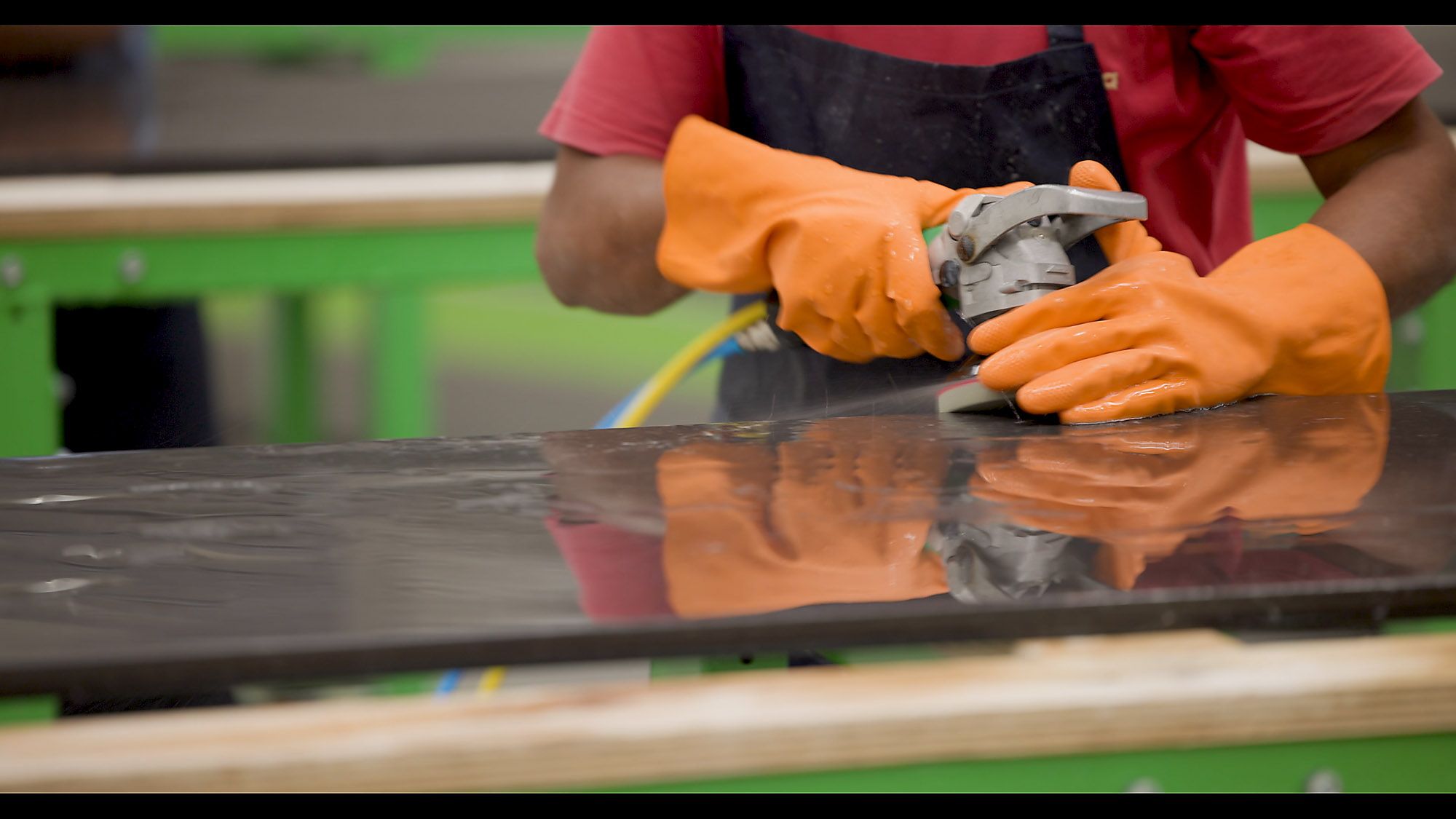
Cut-to-size work goes beyond the automated stage, with a team devoted to hand-finishing to customer specifications.
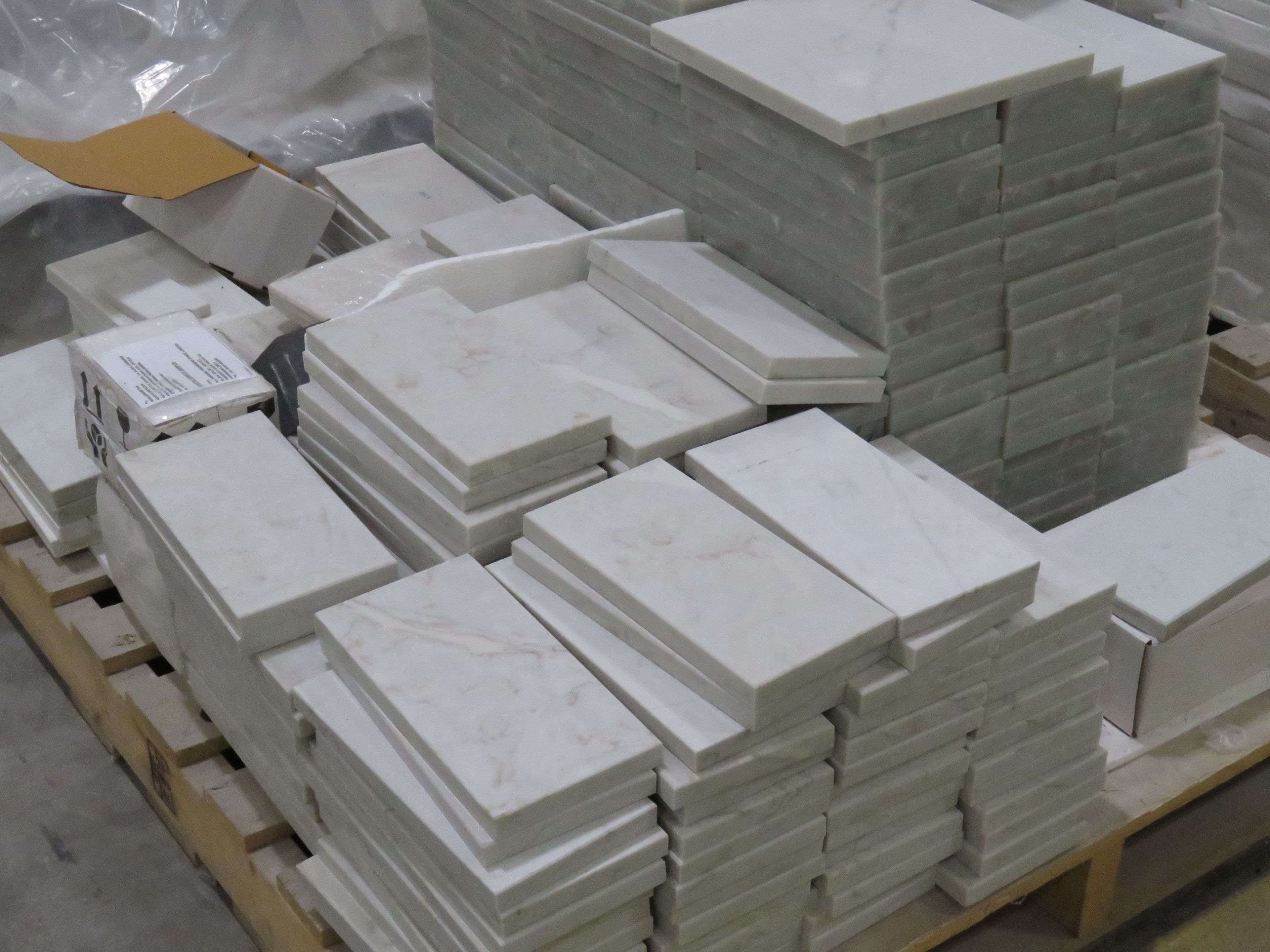
Quantra's samples line can create a variety of custom sizes and thicknesses for clients, along with sample boxes for general sales.
"When you are investing $80 million in two years, you obviously will have far better capacity than your competitors to make a better product.”
Rahul Jain
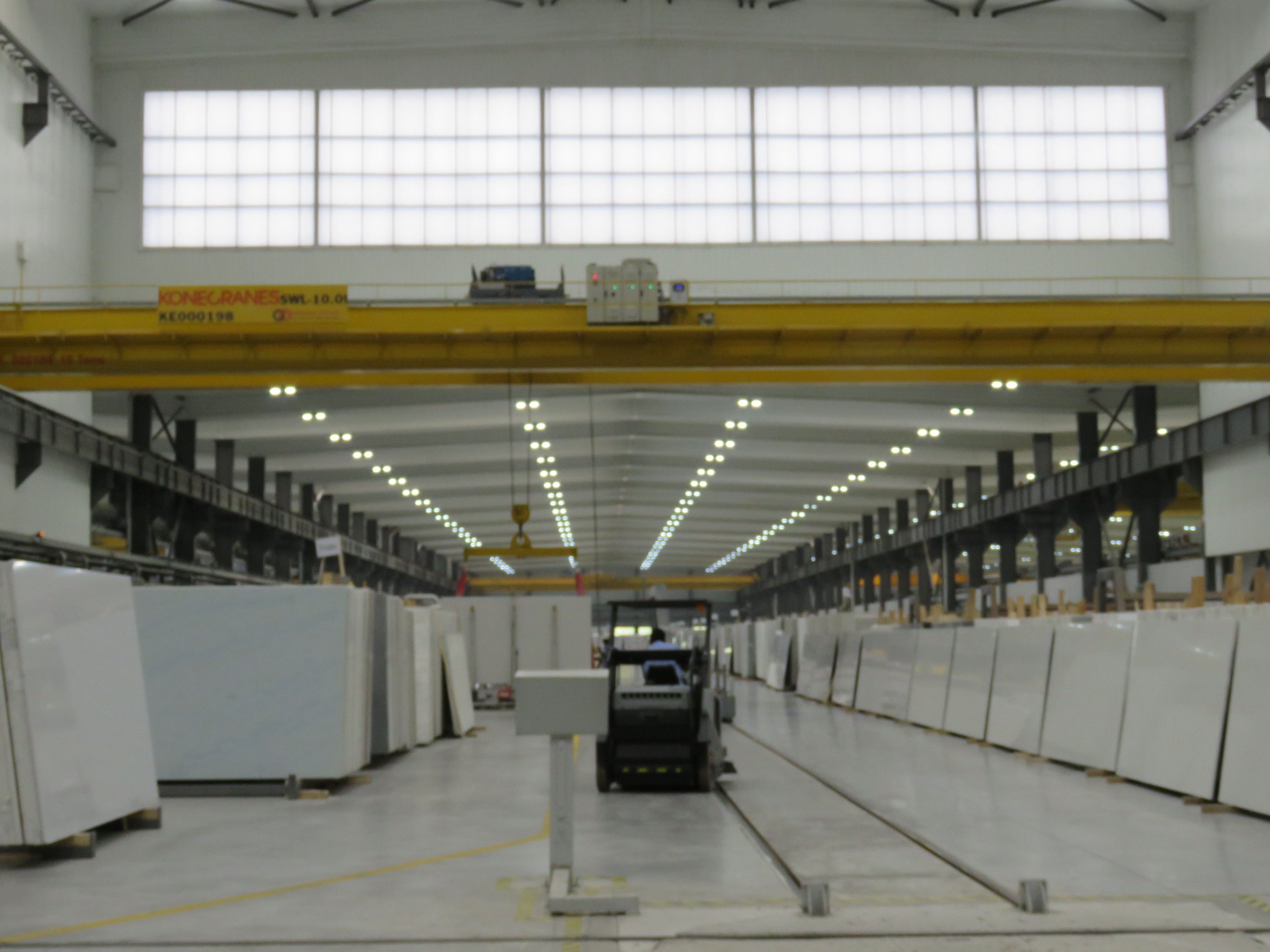
The roof at the Mekaguda plant is constructed to make maximum use of natural light, along with energy-efficient German LED illumination.
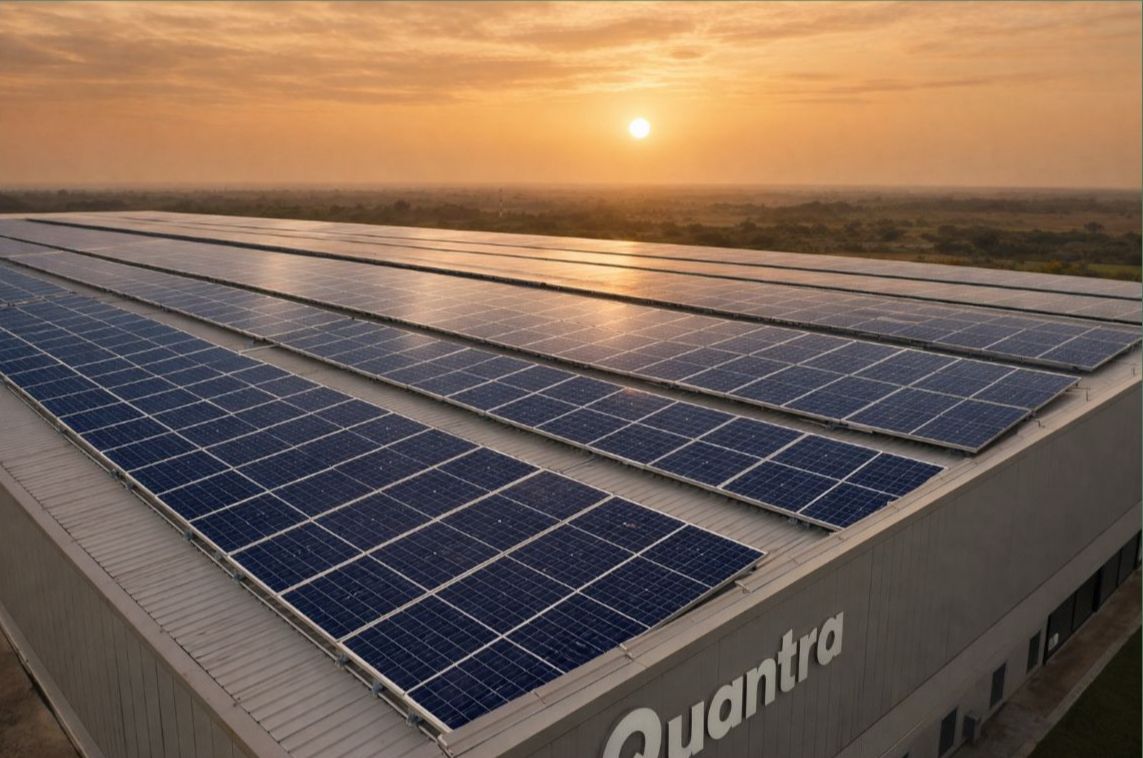
The Mekaguda plant also features a 2-megawatt rooftop solar-panel installation, along with high-end energy management systems
The Chromia technology from Breton S.p.A. with climate-controlled inkjet printing (above) empowers Quantra to bring new designs to life (below).
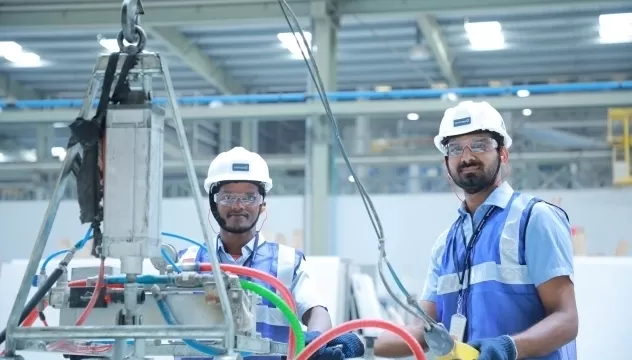
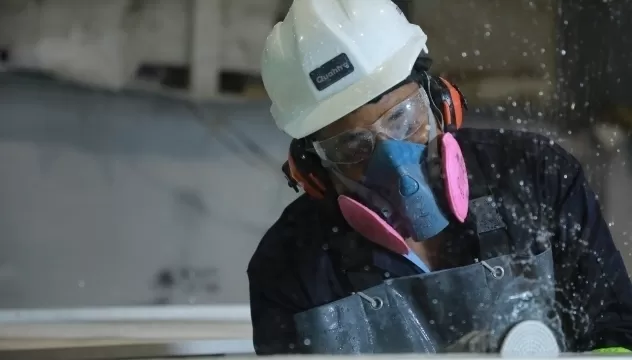
The Future Beginning late last year, Quanta began to roll out new branding, changing its logo and its main ID color from its usual orange/red to a teal/green often called Spring Leaves – an appropriate hue for a new direction. “Our new brand logo stands for what we are currently doing and what we will be doing in the future,” says Mr. Rahul Jain. “It’s a shade of green; we are more sustainable, we are more environmentally friendly.” There’s more than a new color, however. The Mekaguda plant includes a rooftop solar-panel installation producing 2-megawatt electricity with high-end energy-management systems; the roof itself is constructed to make maximum use of natural lighting for factory illumination along with German-made LED lights. An on-site filtration plant allows up to 97% of water used to be recycled. Sustainability is going to be key, Mr. Rahul Jain adds, as the company introduces EVOLVE – a new collection with reduced silica content to lower levels – less than 40% to less than 10%. A safe environment has always been a top priority for Quanta plant workers, with several large air-filtration systems for dust extraction, and multiple styrene extraction systems to handle airborne vapors resulting from resin use and clear the air around all relevant areas from mixers to press. And yet another separate air-quality system collects sawdust caused when building shipping crates for slabs and custom-cut pieces. Quantra also assures quality here by using premium pressure-treated imported wood from Scandinavia to meet customs standards in places like the United States. The packing operation, along with product warehousing, will be moving this year as Quantra expands the Mekaguda plant with another section/bay to accommodate a new molding line along with polishing/finishing using Breton equipment. When completed, Quantra will boost total company production capacity from its current 16 million square feet to 24 million square feet. “Last year, we invested about $20 million in our factory,” Mr. Rahul Jain says. “This year, it’s almost $60 million. So when you are investing $80 million in two years, you obviously will have far better capacity than your competitors to make a better product.” The new expansion is more than an effort to expand volume, he adds. “When the next line is up and running, you will see a lot more innovations,” he says. “You will see things you’ve never seen before. “We are continually evolving by investing in new technologies. That investment gives us more scope of creating new products which were never available earlier. What we’re doing today is also a fusion of technologies.” Quantra’s success is more than machinery, however. The 1,136 employees taps into one of India’s prime resources – its young workforce. Vedant Kakarania, Quantra VP – Innovation, says the average age of a factory employee is similar to India’s average of 28- to 29-years old. “We hire young, we train them, and our retention of employees is much longer because people are generally happy with us,” he says. “They like to work with us. We have been certified with a Great Place to Work certification for four years.” Quantra also benefits from experienced management. Mr. Jain notes that factory managers, commercial managers and accounts executives have long histories with the company. “I’m also very fortunate that I have a team which has, more or less, remained with us with day one that we started the businesses,” he says. In the near future, there’s more than plant expansion coming for Quantra. The headquarters will move this year to a new purpose-built facility in the Hyderabad area, and also include a company first – an experience center to showcase company products. And Mr. Jain’s role as the company keeps advancing? Mention the word retirement, and the 70-year-old will respond with a hearty laugh – “I’m very passionate about working; I would love to work 24 hours” -- but he also acknowledges that the course will continue in the years ahead. “I am fortunate I have familiy, and my son (Mr. Rahul Jain) is already taking charge of everything that will continue,” notes the elder Mr. Jain. “And I will always be there to support the family and my team.” It’s all part of the instinct, trust, and quality that’s been part of Quantra since Day 1, in satisfying customers by creating new technologies and new products to lead the market. “Instead of copying, the best we can do is innovate,” Mr. Jain says, “because I always believed that as long as someone is copying, he will always remain behind everybody. “A person who can take the risk by trying new things, different things, will definitely take you to a leadership position.”
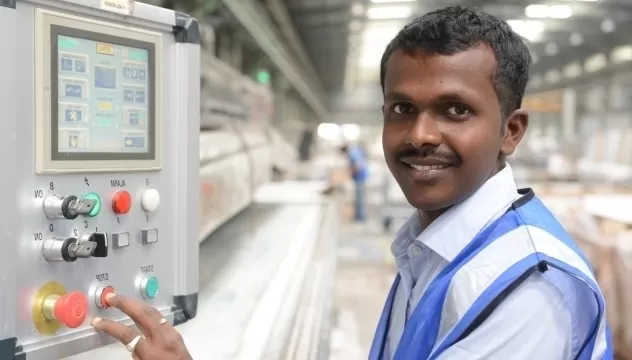
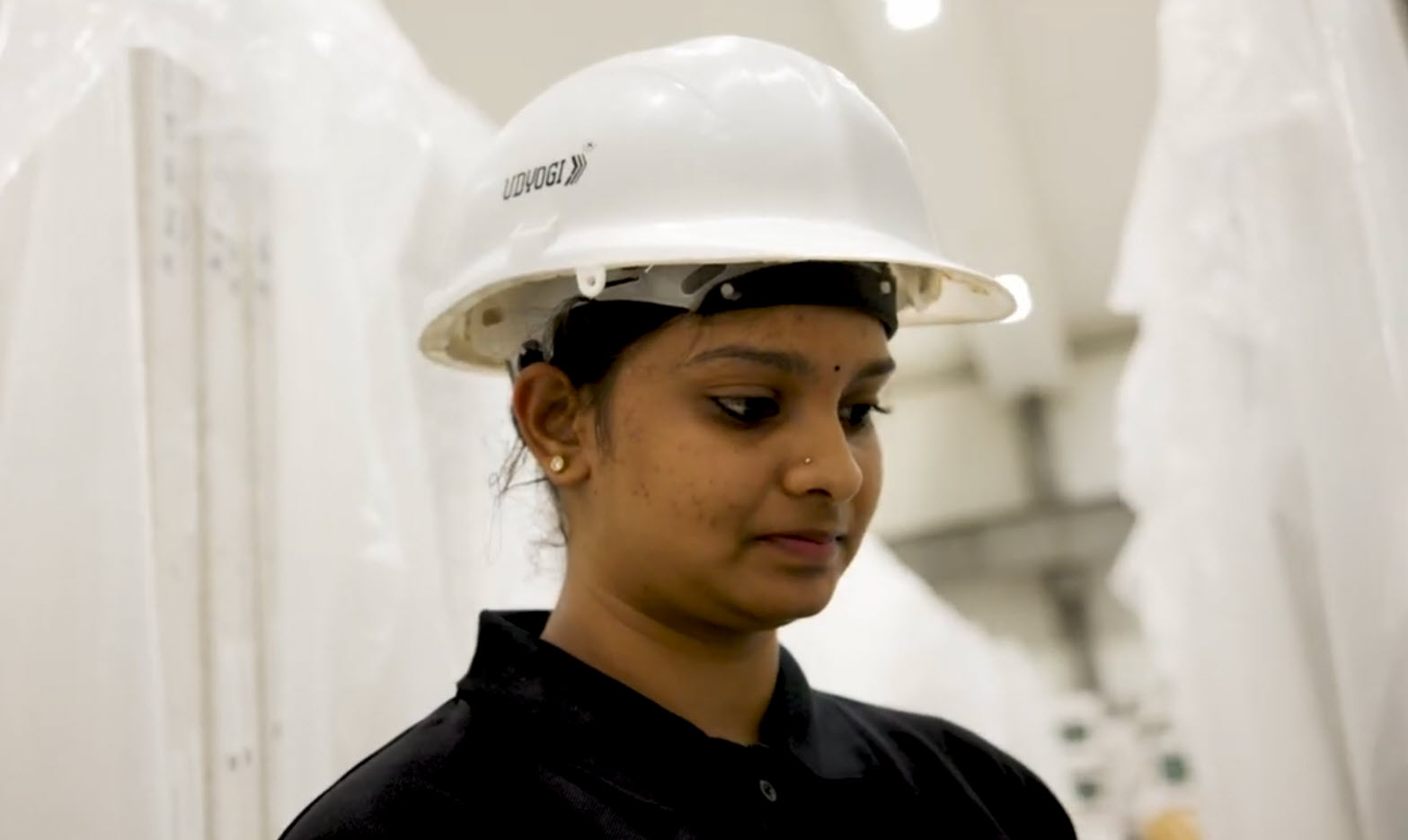
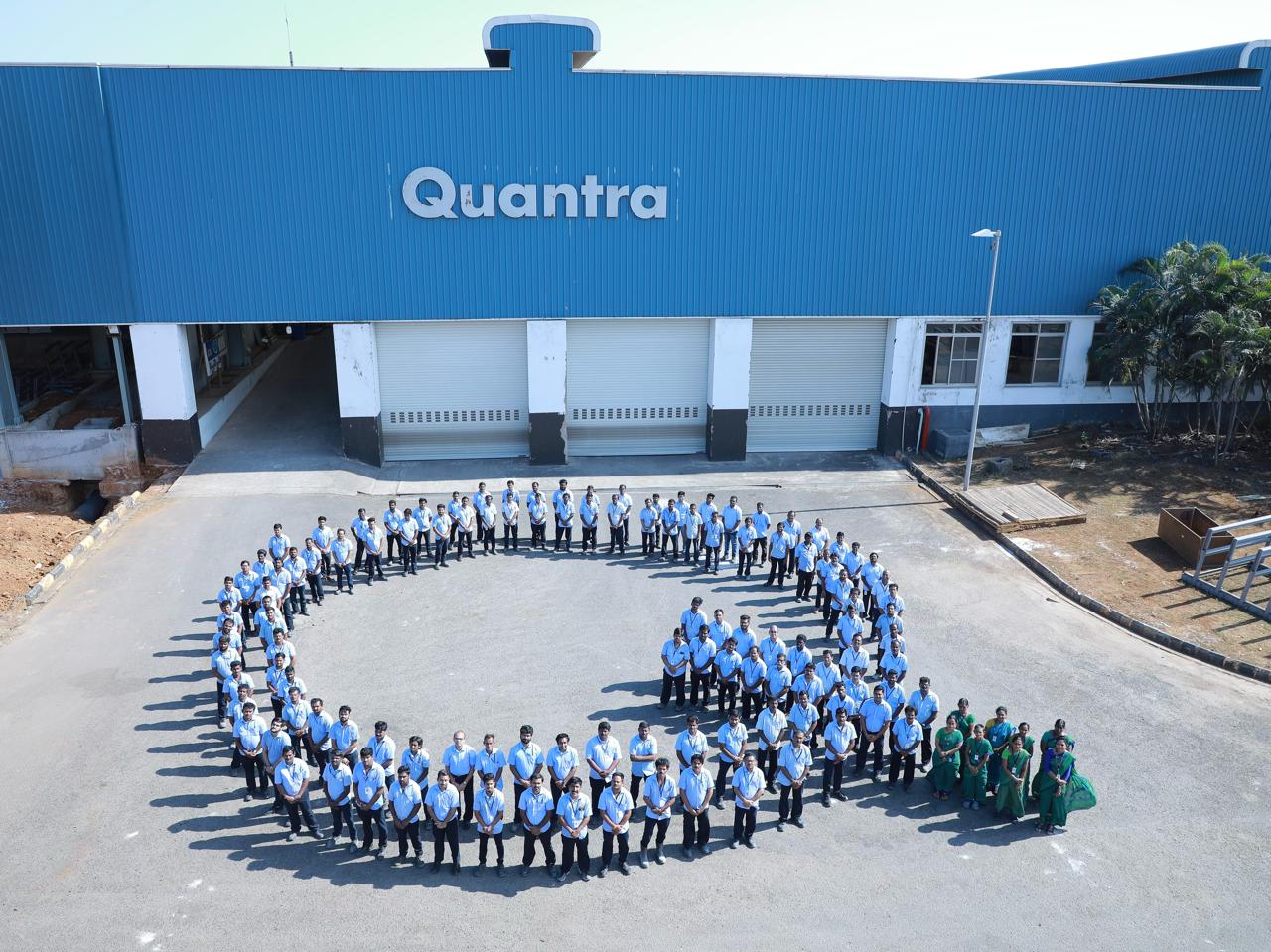
With an average employee age of 28-30, it's a young workforce ... and they've rated Quantra as a "Great Place to Work four years in a row.