Spall
Esse Brasil lindo
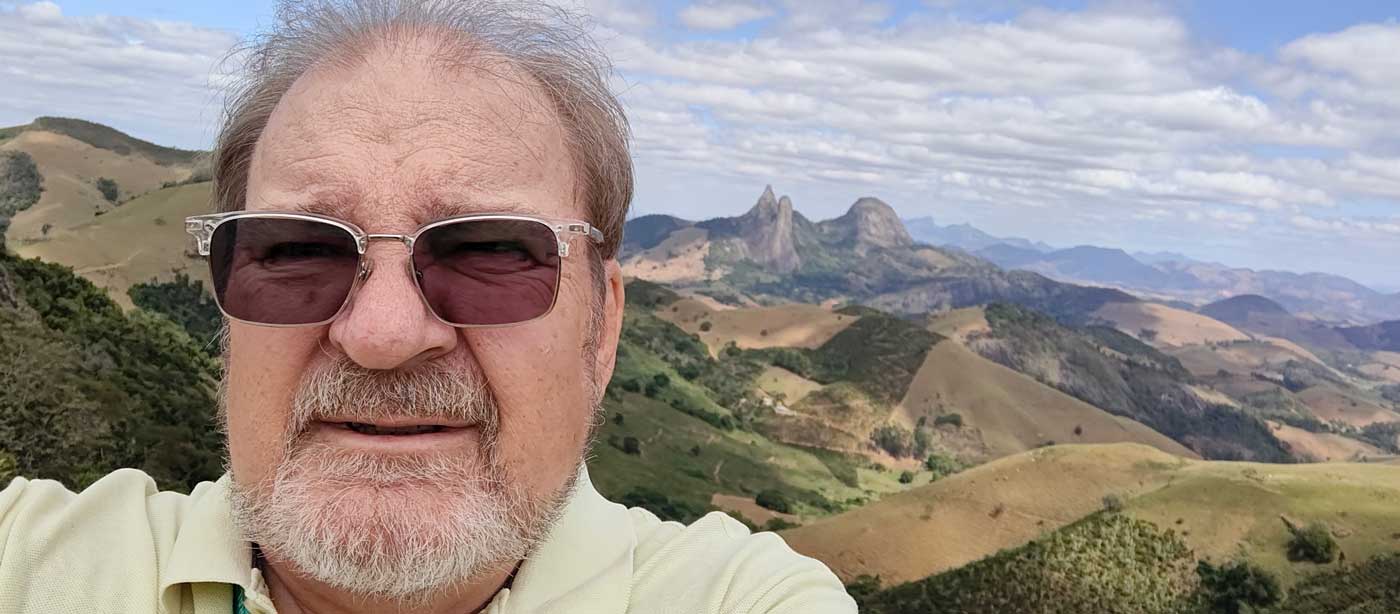
The "golden hour" of a Brazilian sunrise. (All photos by Emerson Schwartzkopf)
By Emerson Schwartzkopf
CACHOEIRO de ITAPEMIRIM, Brazil – If there’s one thing I’ve associated with Brazil through my life, it’s been bossa nova music. And, when I boarded an Brazilian airliner at the Rio de Janeiro airport in late August, the onboard speaker played easy-listening versions of some of the genre’s classics. Unfortunately, that was about the only bossa nova I heard during my week visiting quarries, factories and the annual stone trade show in Cachoeiro. And I shouldn’t be surprised, since that style of music had its heyday in the early 1960s. The tour came courtesy of the It’s Natural – Brazilian Natural Stone program for Brazilian stone from the exporter group of Centrorochas and trade agency Apex Brazil. I traveled with buyers, designers and a few journalists (Disclosure: The hosts paid for transport and lodging. As far as the bar bill, though, I was on my own.) No bossa nova, though couldn’t even begin to dim my enjoyment of taking in a slice of Brazil, along with the Brazilian stone industry, for the first time. I’ll do a longer video report in the November-December edition of Stone Update Magazine, but I’ll offer some shorter impressions on what I found.
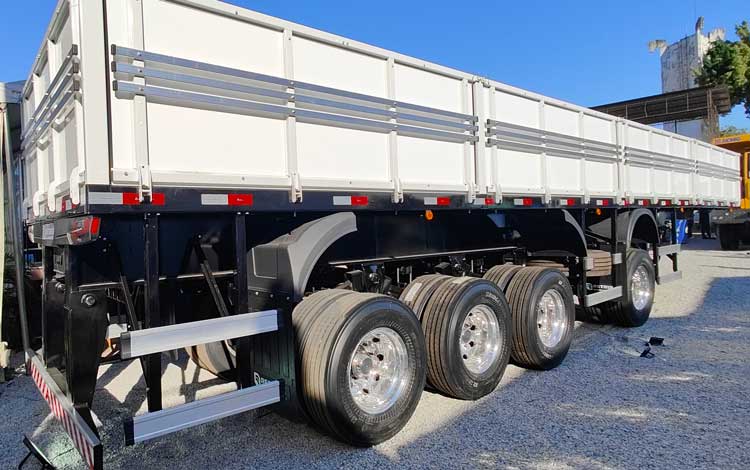
Natural stone is moving along. Our hosts didn’t need to sell us facts and figures. It’s easy to see that stone is still in demand with the huge semi-tractor/trailer combos hauling cut blocks for processing. They weren’t sitting idle at roadsides or at Brazilian truck stops (where ordering coffee, as in Italy, is an art in itself). It’s also fascinating to see these huge trucks in action, with variable-use drive and trailer axles to aid on narrow, winding, up-and-down roads (both paved and dirt) going from quarry to factory. (Those aren't splash guards on the trailer; wheels move up and into them when not in use.) On the downhill runs, following trucks in the tour van, I kept thinking of images from The Wages of Fear and Sorcerer and a gutsy journey to get stone from there to you.
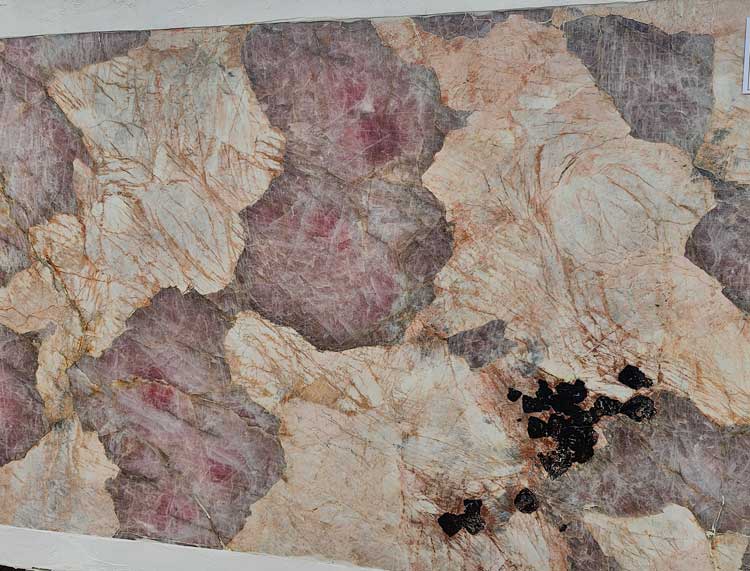
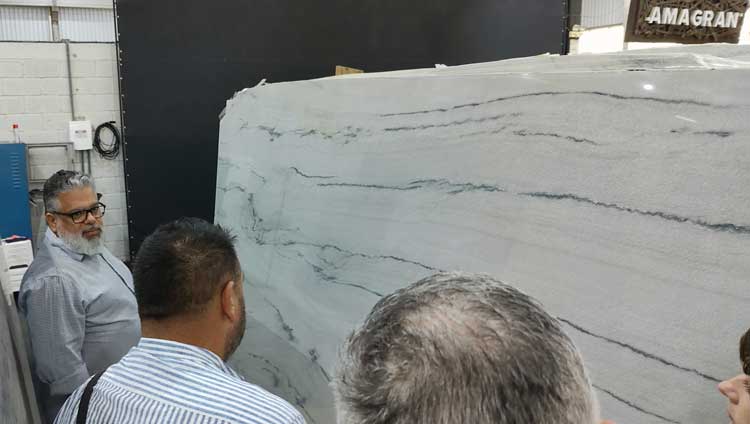
Quartzite. Quartzite, quartzite, quartzite, and more quartzite. Granite remains the #1 export in natural stone from Brazil to the United States, but quartzite dominated the factories, showrooms, and the Cachoeiro trade fair. What hit me, though, isn’t the amount of quartzite; it’s the variety. Much like the quartz-surface and porcelain variations of Calacatta marble, quartzite seems to invariably be in warm creams of Taj Mahal or Mont Blanc, with Cristallo thrown in for variety. Here in Brazil, though, the gamut runs from browns to greens to black to … well, intense, dramatic patterns, and stone with large, soft-looking Impressionist pastel blotches like Monet’s working smock. It's also a more-to-come market, as processors talk of new discoveries.
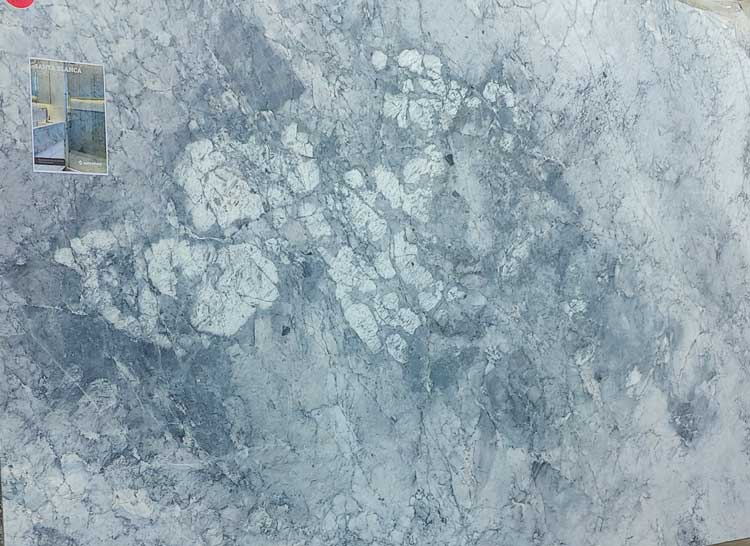
Dolomite. Dolomitic marble often gets short shrift as s a so-so alternative to the standard marble offerings, and only gets a slight advantage in stain resistance and etching. Some of the varieties on offer, though, rival premium (and expensive) marble, but unknown to the general consumer here in the USA. That cloak of anonymity also covered the designers who traveled in the group. All of them marveled at the dolomite and, of course, the different varieties of quartzite.
Honesty. I’ve asked many questions during my too-long career as a journalist, Brazil ended up being an exception among all my experiences: I got answers. As in honest answers. The stone companies we visited were private, and often family owned, but everyone involved freely talked about market share, financial performance, material availability and, really, anything else. At one point, a fellow journalist asked about the percentage of the company’s quartzite shipments going to the United States. “Um, I think 71%,” our guide answered. “Maybe 73%. No … wait. I’ll find out. If I give you the wrong answer, my father will kill me.” (We assumed he was exaggerating about that.)
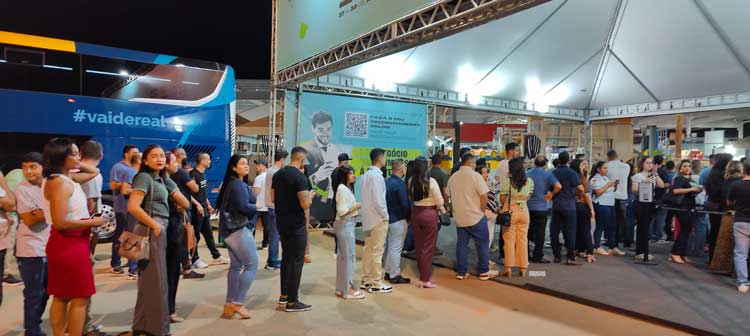
Enthusiasm. The Cachoeiro Stone Fair is a different kind of trade event. It doesn’t open until early afternoon and stays open until 8 p.m. It’s a different experience from decades of 9 a.m.-6 p.m. shows in the United States, where attendance seems to ebb and flow, with the ebb being what you remember. The Brazilians may be onto something. The event opened to brisk crowds every day that only got larger as the day rolled into evening, with plenty of activity in the booths and in the aisles. It’s not a mammoth layout, but there’s a steady crowd roar -- which is amazing, considering the main hall is two-story shed-like structure with no enclosing walls. And even more amazing? On the last day of the event, more than 75 people were lined up at the entrance to buy an entry ticket – at 6:30 p.m., or 90 minutes before final closing time. (The line in the picture more than doubled and out of the fairgrounds.) Those are eager attendees.
Did I enjoy myself? Yes, with beautiful scenery and great food, but the real fun came in seeing the industry in Brazil up-close and getting a sense of the diversity of product. I also enjoyed talking with Brazilians in the industry, and getting their view of the market and, in many ways, of us. A little bossa nova? Maybe it would’ve been a nice extra, but I have plenty of mp3s of Tom Jobim and João Gilberto at home. The experience last month played better than any music could.